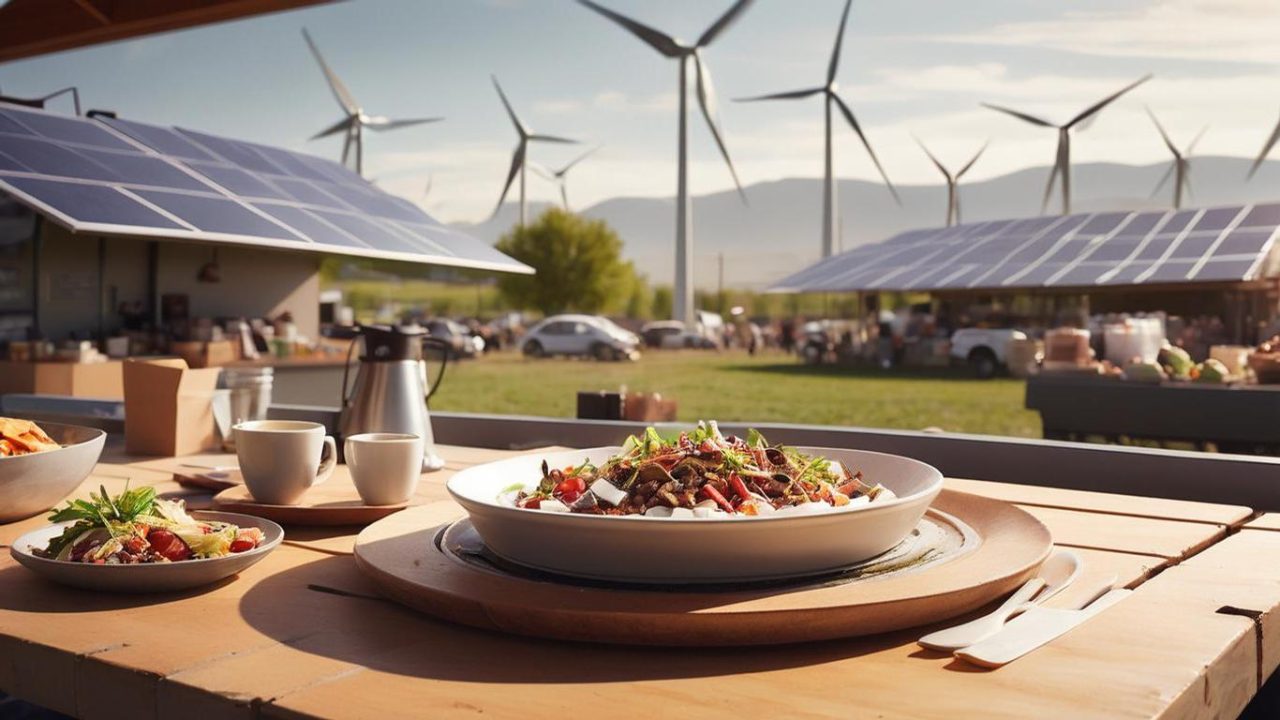

Embrace Earth Day: Empowering Global Environmental Stewardship

On Earth Day, the world comes together. People and groups remember the need for global sustainability efforts. This day sparks action, encouraging us to live greener and work towards a better future.

Earth Day unites people to protect our planet. By embracing unity and cooperation, we can make a big difference. This helps keep our planet healthy for years to come.

The Significance of Earth Day in Today’s World

Earth Day reminds us all of our duty to protect the planet. The world is facing big environmental problems.

Earth Day is now a high key topic in global talks. This is because protecting the environment is more urgent than ever.

The Growing Urgency of Environmental Protection

The planet and especially its inhabitants are in trouble and needs our help fast. We must act quickly to solve these problems.

Current Environmental Indicators and Tipping Points

Things like rising temperatures, deforestation, and losing species show we’re at a breaking point. These signs warn us of serious environmental dangers.

Climate change is real and happening now. It’s not just a future threat.

Why Collective Action Matters Now More Than Ever

Working together is key because environmental problems affect everyone worldwide. They don’t stop at borders.

“We do not inherit the earth from our ancestors, we borrow it from our children.” – Native American Proverb

This saying highlights why we must choose eco-friendly initiatives and lessen our impact on the planet.

Earth Day as a Catalyst for Global Change

Earth Day has played a big role in getting people to care and act. It pushes for climate action advocacy.

Success Stories from Past Earth Days

Earth Day has led to big wins, like the creation of the Environmental Protection Agency (EPA) in the U.S.

These achievements show the strength of working together and the effect of strong advocacy.

The Power of a United Global Voice

On Earth Day, a united voice boosts the message of environmental awareness initiatives. It pushes governments and big companies to go green.

Together, we can make real changes. We can ensure a green future for all.

The Evolution of Earth Day: From Grassroots to Global Movement

Earth Day has grown a lot since it started. It has become a worldwide effort to protect our planet. Now, millions of people join in to help the environment.

Origins and Founding Vision

Senator Gaylord Nelson started Earth Day. He wanted a national event to teach people about the environment.

Senator Gaylord Nelson and the First Earth Day

On April 22, 1970, the first Earth Day happened. 20 million Americans took part in events all over the country.

The Initial 20 Million Americans Who Participated

The first Earth Day showed how much people cared about the environment. It helped start new environmental laws.

Key Milestones in Earth Day History

Earth Day has seen many important moments. One big one was when the United States Environmental Protection Agency (EPA) was created in 1970.

YearMilestone
1970First Earth Day observed; EPA established
1990Earth Day goes global, reaching 141 countries
202050th anniversary of Earth Day, with digital activism playing a key role

Expanding International Reach

Earth Day has grown a lot, reaching 193 countries.

How Earth Day Became a Global Phenomenon

Earth Day became global thanks to international teamwork. People worldwide saw environmental problems as a shared issue.

Current Participation Across 193 Countries

Today, Earth Day is celebrated in 193 countries. There are many different ways people work together to protect our planet.

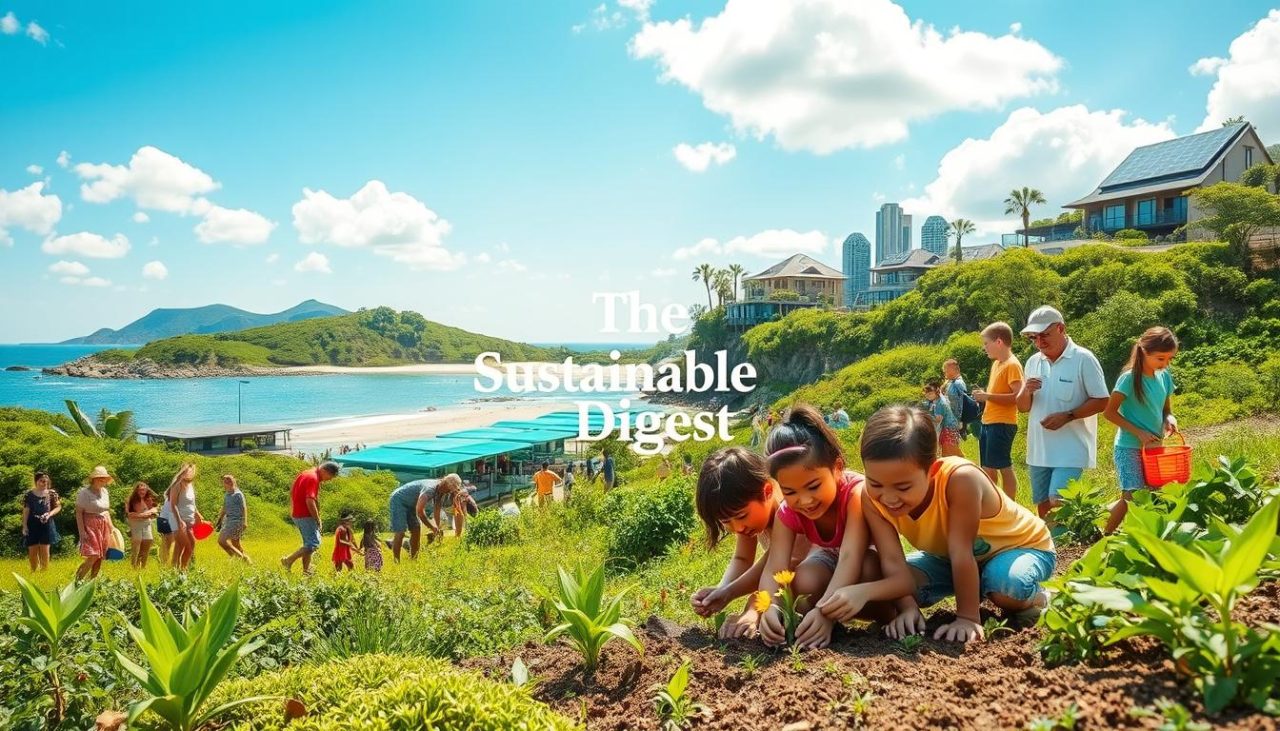
Earth Day global participation. A vibrant panorama of diverse individuals and communities united in eco-conscious actions. In the foreground, people of all ages and backgrounds engage in tree-planting, beach cleanups, and educational rallies, their expressions radiating passion and purpose. The middle ground reveals sweeping cityscapes and rural landscapes, dotted with solar panels, wind turbines, and electric vehicles - symbols of sustainable progress. In the distant background, a radiant sky reflects the collective momentum of this worldwide environmental movement. Soft, warm lighting illuminates the scene, conveying a sense of hope and unity. Captured through a wide-angle lens, this image for "The Sustainable Digest" encapsulates the evolution of Earth Day into a truly global phenomenon.

Environmental Challenges Facing Our Planet

The planet is facing many environmental challenges that need our immediate attention. These include climate change, biodiversity loss, and pollution. All these factors are harming our planet’s health.

Climate Change: The Defining Crisis

Climate change as expressed ongoing in this blog, is a major issue today. It affects ecosystems, weather, and human societies.

Understanding the Science and Impacts

Climate change is caused by more greenhouse gases in the atmosphere. This traps heat, leading to global warming. We see more extreme weather, rising sea levels, and changes in ecosystems.

Progress and Setbacks in Climate Action

There have been big efforts to fight climate change, like the Paris Agreement. But, political, economic, and social barriers slow us down. We must keep working to cut emissions and use renewable energy.

Biodiversity Loss and Ecosystem Degradation

The loss of biodiversity and ecosystem damage are big problems. They affect wildlife and human well-being.

Species Extinction Rates and Consequences

Species extinction rates are high. Many species face extinction due to habitat loss, pollution, and climate change. Losing biodiversity harms ecosystems, making them less resilient.

Habitat Protection Initiatives

Protecting habitats is key. Conservation efforts and protected areas are vital. They help keep ecosystems healthy, maintain biodiversity, and support ecological processes.

Pollution and Resource Depletion

Water, air, and soil pollution and natural resource depletion are major threats. Pollution also harms through waste, sewage, sound, visual, and plastic quality. It affects ecosystems and human health.

Plastic Pollution Crisis

The plastic pollution crisis is severe. Millions of tons of plastic waste pollute our environment each year. It harms marine life, contaminates the food chain, and affects human health.

Water Scarcity and Management

Water scarcity is growing due to over-extraction, pollution, and climate change. Good water management is crucial for sustainable use of this vital resource.

Adopting Earth-friendly practices and participating in planet protection activities are key. Understanding the issues and acting together can help us achieve a sustainable future.

Environmental ChallengeKey IssuesPotential Solutions
Climate ChangeGreenhouse gas emissions, global warmingTransition to renewable energy, reduce emissions
Biodiversity LossHabitat destruction, species extinctionConservation initiatives, protected areas
PollutionPlastic waste, water pollutionReduce plastic use, improve waste management

Promoting Environmental Stewardship of the International Community via Earth Day

Earth Day is a profound moment for the world to come together. It’s a time to address pressing environmental issues. This day encourages everyone to work together to protect our planet for the future.

Uniting Nations for Planetary Health

The world knows we need to work together on environmental issues. Earth Day helps by showing us the importance of protecting our planet. It encourages countries to make agreements to tackle these challenges together.

The Role of International Agreements and Treaties

International agreements a.k.a. global policies are vital for protecting the environment. The Paris Agreement on climate change is a big example. These agreements help countries work together to solve big environmental problems.

How Earth Day Strengthens Global Environmental Governance

Earth Day makes us all more aware of environmental issues. It pushes governments, businesses, and people to take action. This day helps build support for protecting our planet.

Cross-Border Collaboration Success Stories

Working together across borders is key to solving environmental problems. Earth Day shows us how important it is for countries to cooperate. Success stories from around the world prove that we can make a big difference together.

Transboundary Conservation Initiatives

Transboundary conservation projects bring countries together to protect shared resources. These efforts show us how cooperation can lead to big environmental wins.

International Climate Coalitions

Groups like the Climate and Clean Air Coalition help countries fight climate change. They push for action and cooperation to reduce harmful emissions and fight climate change.

Overcoming Barriers to Global Environmental Action

Even with progress, there are still big hurdles to overcome. Earth Day reminds us of the need for continued cooperation to tackle these challenges.

Addressing Economic and Political Challenges

Economic and political issues can slow down environmental progress. Earth Day encourages countries to find ways to protect the environment while still growing economically.

Building Consensus Across Cultural Differences

It’s important to find common ground on environmental issues, despite cultural differences. Earth Day helps by emphasizing the need for everyone to work together to protect our planet.
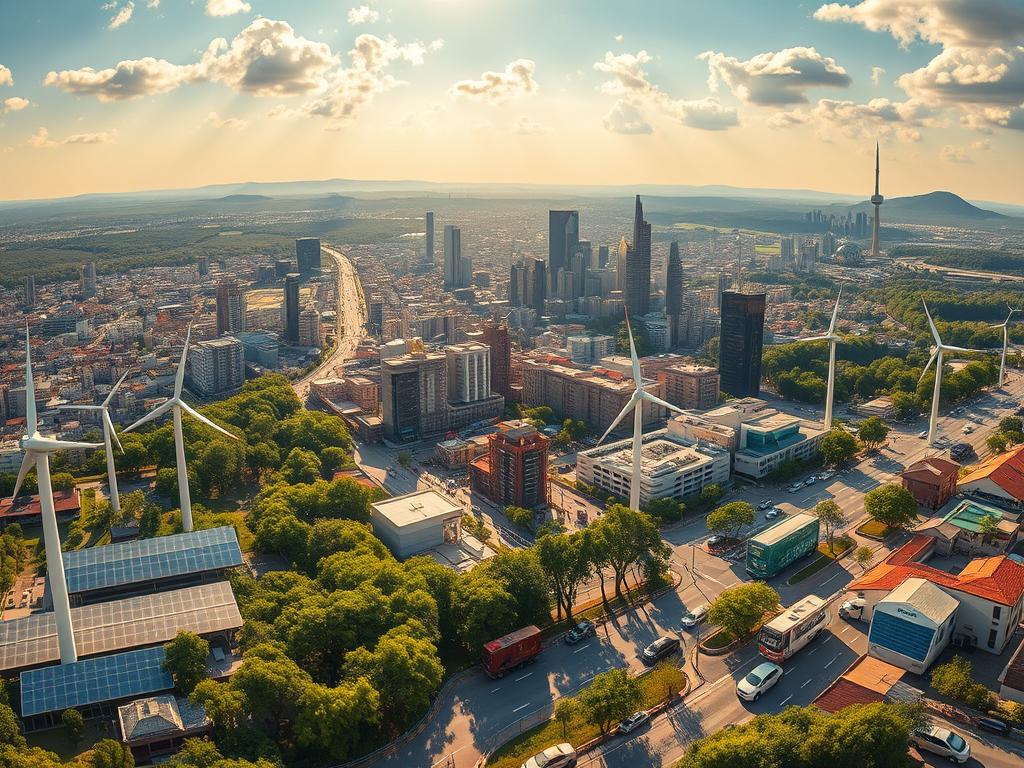
A sweeping panorama of global sustainability efforts, captured through the lens of The Sustainable Digest. In the foreground, a vibrant mosaic of renewable energy sources - towering wind turbines, solar panels gleaming in the sunlight, and electric vehicles charging on city streets. The middle ground features bustling urban centers, where skyscrapers and infrastructure are designed with eco-friendly principles in mind. In the distance, lush forests and pristine landscapes represent the restoration and preservation of natural habitats. The scene is bathed in a warm, golden light, conveying a sense of hope and progress in the face of environmental challenges. A vivid representation of the international community's commitment to environmental stewardship, as celebrated through Earth Day.

Impactful Earth Day Campaigns and Initiatives

Earth Day has a long history of promoting care for the environment. It has sparked many initiatives that have made a big difference. These efforts have not only raised awareness about important environmental issues. They have also brought about real change.

Landmark Earth Day Programs

Some Earth Day programs have been key in getting people involved worldwide. For example, The Great Global Cleanup has united millions to clean up their areas. It encourages people to take care of their environment.

The Great Global Cleanup

This effort has seen huge support from people, groups, and governments all over. It has led to tons of waste being collected and a stronger commitment to less pollution.

Earth Challenge2020 Citizen Science Initiative

The Earth Challenge2020 initiative has made it easy for people to help with scientific research. It focuses on issues like air and water quality, and climate change. This effort has helped us understand these problems better and brought people together.

Digital Activism and Virtual Engagement

In today’s world, Earth Day campaigns use social media and online events to reach more people. Social media campaigns are great at spreading the word about environmental issues. They use hashtags and online petitions to get people involved.

Social Media Campaigns That Drove Change

Campaigns like #EarthDay and #GoGreen have gone viral, encouraging people to share their environmental efforts. These efforts have not only raised awareness but have also inspired people to act.

Virtual Earth Day Events and Their Reach

Online events, like webinars and conferences, have given experts and activists a platform. They share knowledge and ideas with people all over the world. This has helped build a global community.

Measuring the Impact of Earth Day Activities

To see how effective Earth Day campaigns are, we need to track important metrics. We look at environmental metrics and improvements, like less pollution and more biodiversity.

Environmental Metrics and Improvements

MetricPre-Earth DayPost-Earth Day
Waste Reduction1000 tons800 tons
Carbon Emissions10000 tons9000 tons

Awareness and Behavioral Change Indicators

Studies show that Earth Day campaigns can really change people’s behavior. They encourage individuals to live more sustainably and support environmental protection.

Individual Actions for Environmental Stewardship

Every person can help the environment by making smart choices every day. Simple actions can make a big difference. By choosing eco-friendly options, we can all play a part in protecting our planet.

Everyday Sustainable Practices

Lowering our carbon footprint is key to a greener future. We can do this by using public transport, carpooling, or driving electric or hybrid cars.

Reducing Your Carbon Footprint

There are many ways to cut down on carbon emissions. We can use less energy, pick energy-saving appliances, and offset our carbon footprint.

Conscious Consumption and Waste Reduction

Choosing wisely and reducing waste helps the environment a lot. We can buy products with less packaging, buy in bulk, and avoid single-use items.

Becoming an Environmental Advocate

Being an environmental advocate means speaking up for the planet. We can stay informed, join local efforts, and spread the word about why protecting the environment is crucial.

Finding Your Environmental Voice

To find your voice, identify what environmental issues you care about. Then, share your thoughts through social media, community events, or local meetings.

Effective Communication Strategies for Change

Good communication is essential for change. We can use stories, pictures, and facts to share our message. This can motivate others to act.

Creating Ripple Effects in Your Community

Starting local projects and teaming up with others can make a big difference. Together, we can achieve more and create lasting change.

Starting Local Initiatives

Local projects can be anything from clean-up events to promoting green practices in businesses. Leading by example can inspire others to join in.

Building Community Coalitions

Working with others in your community can amplify your efforts. By joining forces, we can accomplish more than we could alone.
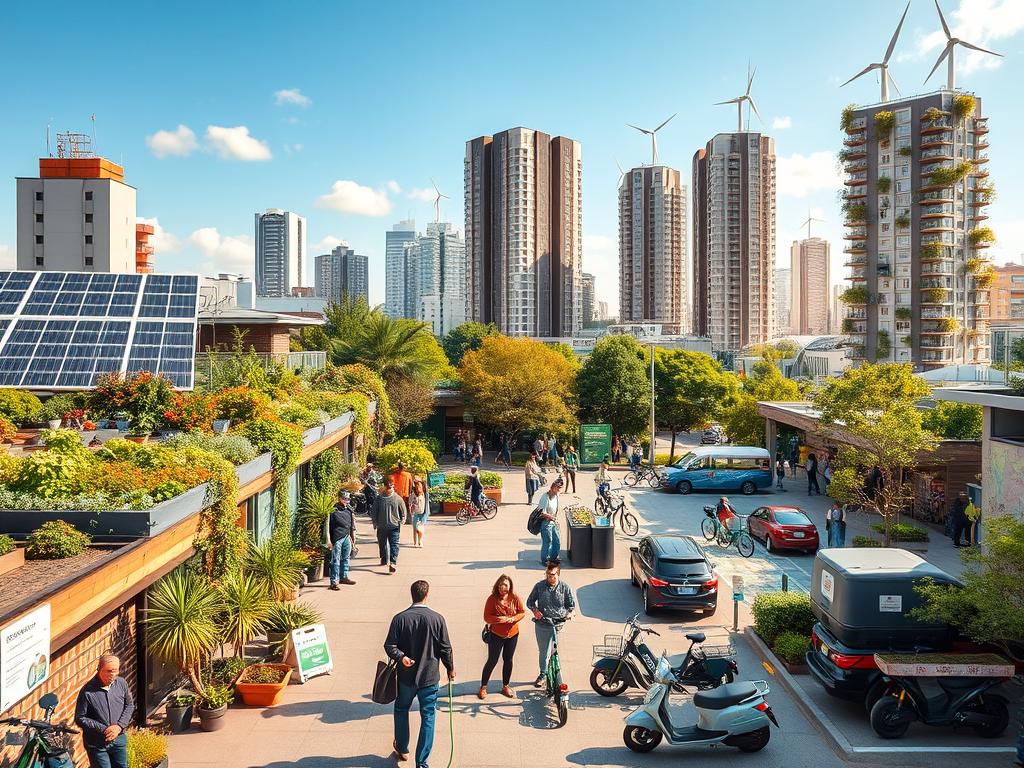
A vibrant, eco-friendly urban landscape, featuring a lush rooftop garden, solar panels, and electric vehicles parked on the street. In the foreground, people engage in sustainable practices like recycling, composting, and tending to their community garden. The middle ground showcases a bustling pedestrian-friendly plaza with bike-sharing stations and charging stations for electric scooters. The background reveals towering, energy-efficient buildings adorned with vertical gardens and wind turbines. The scene is bathed in warm, natural lighting, capturing the essence of "The Sustainable Digest" and individual actions for environmental stewardship.
ActionImpact
Reducing energy consumptionLower carbon emissions
Using public transportReduced air pollution
Conscious consumptionLess waste generation

Organizational and Corporate Environmental Leadership

As the world faces environmental challenges, companies play a key role. They lead in adopting sustainable practices. These efforts help the planet and boost their success.

Business Models for Sustainability

New business models focus on being green. B Corps and sustainable enterprises are leading the way.

The Rise of B Corps and Sustainable Enterprises

B Corps meet high standards for being good to the planet and people. Companies like Patagonia and REI show it’s possible to be profitable and sustainable.

Economic Benefits of Environmental Responsibility

Going green can save money and improve a brand’s image. A Harvard Business Review study shows green companies do better financially.

“The business case for sustainability is clear: companies that prioritize sustainability tend to be more resilient, innovative, and better positioned for long-term success.” –

World Business Council for Sustainable Development

Corporate Earth Day Initiatives That Make a Difference

Companies use Earth Day to show their green commitment. They do everything from planting trees to launching big sustainability plans.

Case Studies of Transformative Corporate Programs

Unilever and IKEA are examples of big companies going green. Unilever wants to cut its environmental impact by 2030. IKEA aims to be carbon neutral by 2030.

Moving Beyond Greenwashing to Authentic Action

Real change comes from being true to your green promises. Companies must act on their words and show their efforts are real.

CompanyInitiativeGoal
UnileverSustainable Living PlanHalve environmental footprint by 2030
IKEACarbon NeutralityBe carbon neutral by 2030
PatagoniaEnvironmental ResponsibilityUse recycled materials in 100% of products by 2025

Partnerships Between Businesses and Environmental Organizations

Working together is key to making a difference. Businesses and environmental groups can create big changes together.

Collaborative Models That Work

For example, companies and NGOs team up on projects. The Nature Conservancy works with companies to protect nature.

Measuring and Reporting Impact

It’s important to track and share the results of these partnerships. This means setting goals, following progress, and sharing results openly.
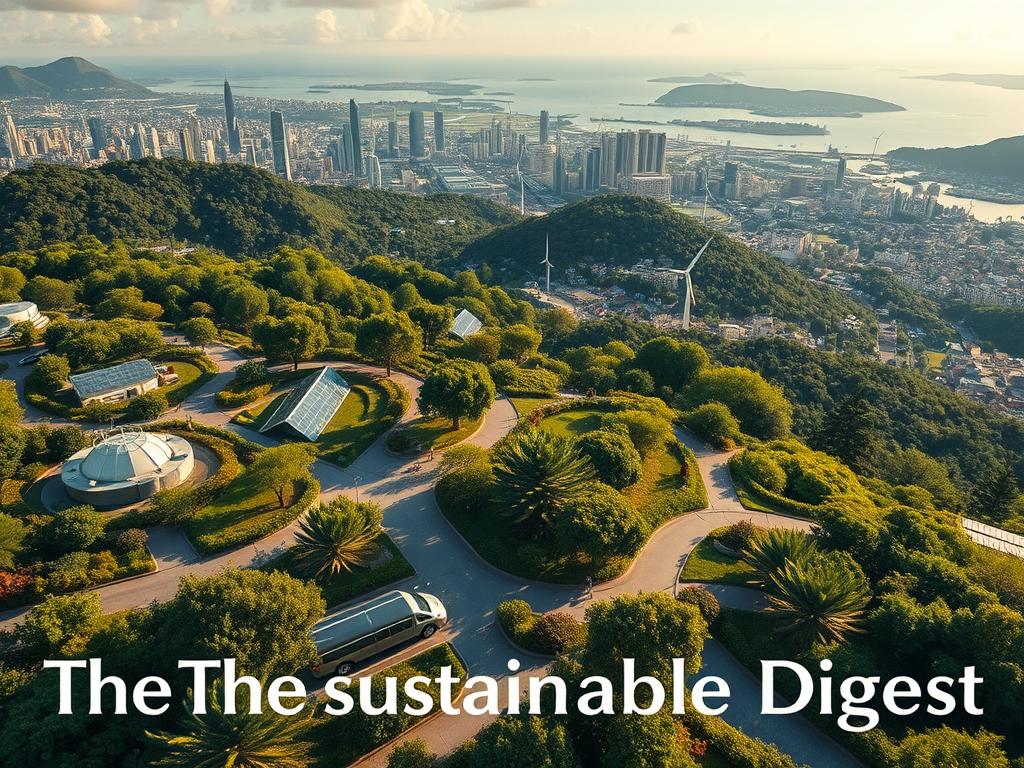
A sweeping global vista showcasing the diverse efforts of organizations and corporations to promote environmental sustainability. In the foreground, a thriving eco-park with lush greenery, renewable energy installations, and electric vehicles. In the middle ground, bustling city skylines powered by gleaming solar panels and wind turbines. In the background, pristine landscapes and seascapes, untouched by human impact. Warm, golden lighting casts a hopeful glow, while a wide-angle lens captures the scale and interconnectedness of these sustainability initiatives. The words "The Sustainable Digest" are subtly integrated into the scene, conveying the publication's mission to highlight environmental leadership.

Conclusion: Our Collective Responsibility to Earth

Earth Day reminds us how important it is to care for our planet. Together, we’ve made big steps in solving environmental problems. This shows our power when we work as one.

Leading the way is climate action. It’s inspiring people to become environmental leaders. By joining forces, we can fight climate change and protect nature for the future.

We must keep working towards a greener world. It’s vital to keep improving and supporting each other. This way, we can make our planet healthier for everyone.

By taking on this shared duty, we can make a better world for future generations. We’ll put the planet’s health first and ensure everyone’s well-being.

Key Takeaways

  • Earth Day promotes global sustainability efforts through collective action.
  • Adopting eco-friendly practices is crucial for a sustainable future.
  • Global unity is essential for driving meaningful change.
  • Earth Day inspires individuals and organizations to work together.
  • Sustainable practices can have a lasting impact on the planet’s health.

Types of Cooperatives: Leading Climate, Sustainable, & ESG Solutions

Cooperative enterprises and democratic governed organizations are becoming key players in solving global environmental problems. They are owned by their members and lead in promoting green business practices and eco-friendly goods and services. These businesses are making big strides in creating a more sustainable future.

Cooperatives are changing how we tackle environmental justice and ecological stewardship issues, both locally and internationally. They focus on renewable and clean energy and sustainable farming. This shows that making money, community outreach, and protecting the planet can go hand in hand.

As we face climate change and use up resources, cooperatives are discovering new ways to help. They are more than just businesses and non-profits; they are communities working together for a greener world. Through their collective efforts, cooperatives are making a real difference in so many areas.

Understanding Modern Cooperative Models in Sustainability

Sustainable cooperatives are changing how we face environmental challenges. They bring diverse groups of people together to fight climate change and support green practices. Environmental, habitat preservation, produce, and sustainable agriculture cooperatives are leading this green movement.

Core Principles of Sustainable Cooperatives

Sustainability-focused cooperatives stand out with their key principles. They focus on stewarding the environment, fair labor practices, and community involvement. These groups aim to reduce carbon footprints and support clean energy.

By focusing on sustainability, they make a lasting positive impact on our planet.

Economic and Environmental Benefits

These cooperatives offer more than just environmental and social benefits. They create jobs, boost local economies, and provide affordable green goods and service. Environmental cooperatives save money through shared resources and bulk purchases.

Sustainable agriculture cooperatives help farmers and ranchers use eco-friendly methods. This leads to healthier food, minerals, and soils.

BenefitEnvironmental ImpactEconomic Impact
Renewable Energy UseReduced Carbon EmissionsLower Energy Costs
Sustainable FarmingImproved Soil HealthHigher Crop Yields
Resource SharingLess WasteIncreased Savings

Governance Structure and Member Participation

Cooperatives succeed because of owner-member involvement. Everyone has a say in decisions, ensuring objectives and actions meet community needs. This democratic structure encourages humanitarianism, innovation, and accountability.

Owner-members of environmental cooperatives often join eco-projects. Those in sustainable agriculture cooperatives share farming and ranching techniques.

“In a cooperative, every member’s voice counts. It’s not just about profit, but about creating a sustainable future for all.”

Different types of Cooperatives in Sustainability, ESG, Climate, and resiliancy

Cooperatives are key in solving big sustainability, ESG, climate, carbon, and resiliency problems. They bring people together from all walks of life to work on big environmental issues. Let’s explore more about the three types of cooperatives that are making a big difference in sustainable development.

Worker-Owned Environmental Cooperatives

Worker-owned environmental cooperatives let employees take action for the eco-system of the planet. They focus on green practices, clean and renewable energy, and cutting down waste. This way, workers feel invested in the company’s success and work harder to meet environmental and social impact goals.

Consumer Green Cooperatives

Consumer green cooperatives serve those who care about the planet. They sell sustainable products like organic food and green household items. By working together, they can get better deals on these products, making green living easier for more people.

Multi-Stakeholder Climate Initiatives

Multi-stakeholder climate initiatives team up different groups to tackle big environmental issues. These cooperatives include local governments, businesses, and residents working together. They create new solutions that help the whole community.

Cooperative TypeKey FocusPrimary Stakeholders
Worker-Owned EnvironmentalSustainable practices, renewable energyEmployees
Consumer GreenEco-friendly products and servicesCustomers
Multi-Stakeholder ClimateCommunity-wide climate adaptationLocal government, businesses, residents

Renewable Energy Cooperative Solutions

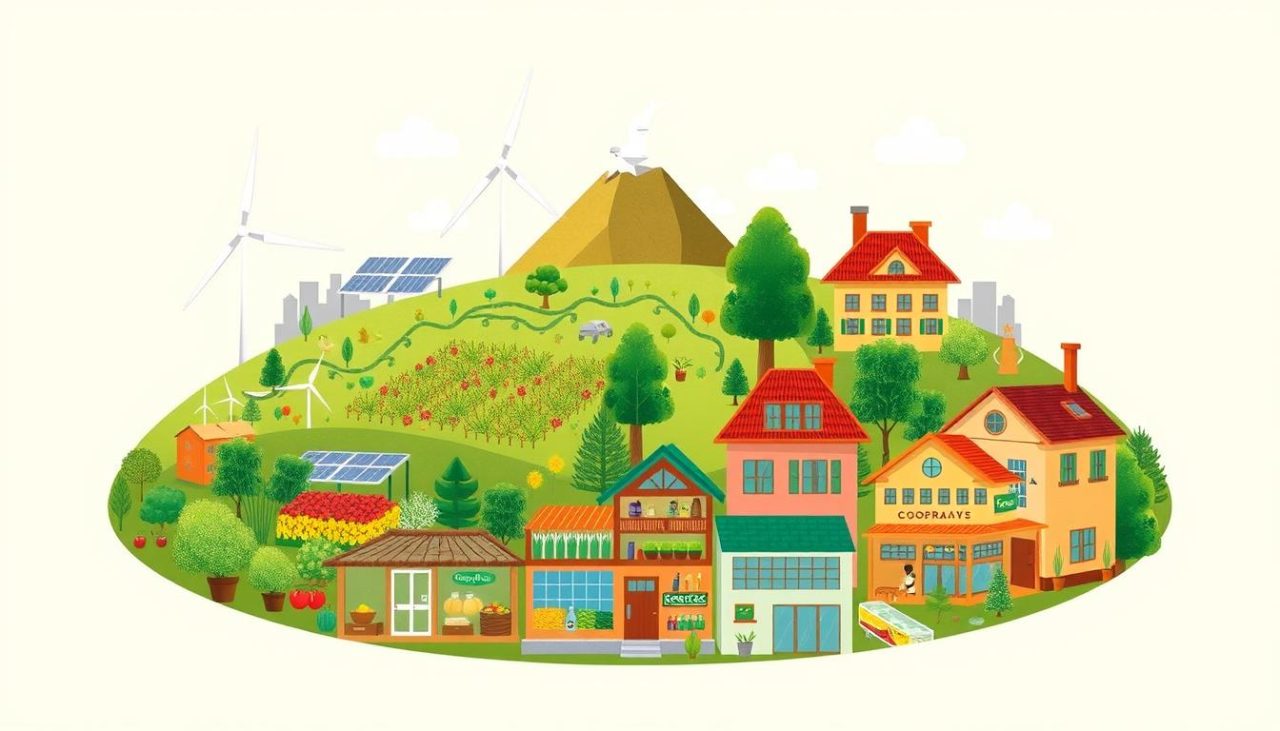
Renewable Energy Cooperatives are changing the energy scene and causing a ripple effect across the monopolies and cooperative communities alike. They let locals who are owner-members control their energy future. Owner-members pool resources to fund clean and green energy projects, helping the planet and their pockets.

Solar Energy Cooperative Models

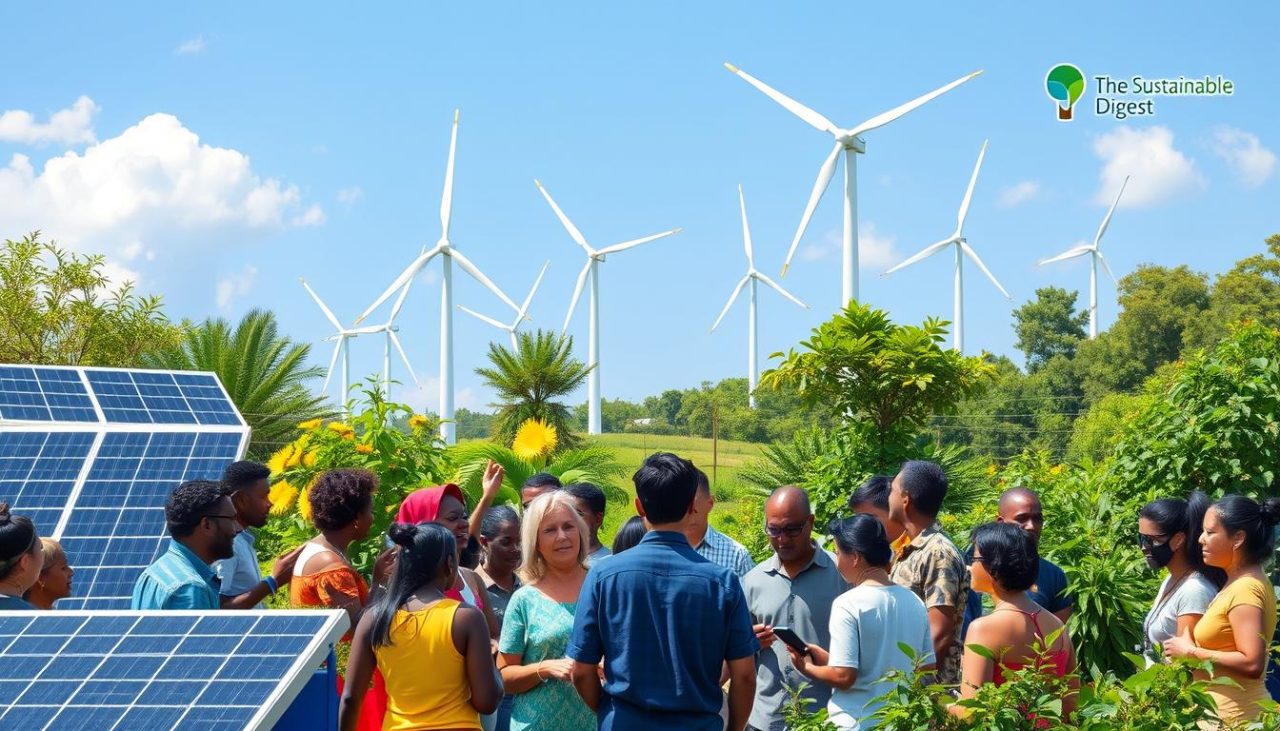
Solar cooperatives are becoming the most popular nationwide and globally. Owner-members split the cost of solar panels, making green energy affordable. Some networks even sell their surplus power, earning money for owner-members.

Wind Power Community Projects

Wind power cooperatives, like other clean energy coops, rely on community strength. They thrive in rural areas and in the flat plains with strong winds. Farmers get extra income by leasing land for turbines, helping produce renewable energy.

Energy Storage Initiatives

Energy storage is extremely key for Renewable Energy Cooperatives. Battery systems store extra energy for when it’s needed most during off-peak hours. This boosts grid reliability, durability, and cuts down fossil fuel use.

Cooperative TypeKey BenefitsChallenges
SolarLower installation costs, shared maintenanceSpace requirements, initial investment
WindHigh energy output, land lease incomeWind variability, noise concerns
Energy StorageIncreased reliability, peak shavingTechnology costs, regulatory hurdles

Renewable Energy Cooperatives pave a sustainable path. They help communities cut carbon emissions, lower energy bills, greenhouse gases, and fight climate change.

Sustainable Agriculture and Food Cooperatives

Sustainable Agriculture Cooperatives are invaluable in promoting green farming, ranching, and food making. They unite local farmers, creating a strong community effort in agriculture. This focus is on caring for the environment, preserving the local habitat, and ensuring everyone has food.

Environmental Cooperatives in farming use organic methods, cut down on chemicals, and save natural resources. By working together, members get access to new, green technologies and practices. These are often too expensive for one farmer to afford alone.

“Sustainable Agriculture Cooperatives empower farmers to produce food responsibly while protecting our planet for future generations.”

These groups often connect farms directly to tables, cutting down on transportation and emissions. They support a wide range of crops and protect natural habitats. Many also save and share seeds, keeping rare varieties alive and making crops stronger.

Benefits of Sustainable Agriculture CooperativesImpact
Reduced chemical useImproved soil and water quality
Increased biodiversityEnhanced ecosystem resilience
Shorter supply chainsLower carbon emissions
Knowledge sharingImproved farming practices

Environmental Cooperatives in farming also reach out beyond the fields. They teach people about sustainable food systems and encourage eco-friendly choices. This broad effort helps make the food chain more sustainable, from the farm to our plates.

Green Housing and Eco-Community Cooperatives

Green Housing Cooperatives are changing city living. They mix green living with cooperative ideas. People come together to build eco-friendly homes and lively areas.

Sustainable Building Practices

These cooperatives focus on green building. They use recycled stuff, solar panels, and smart designs. This lowers energy bills and helps the planet.

Community Garden Integration

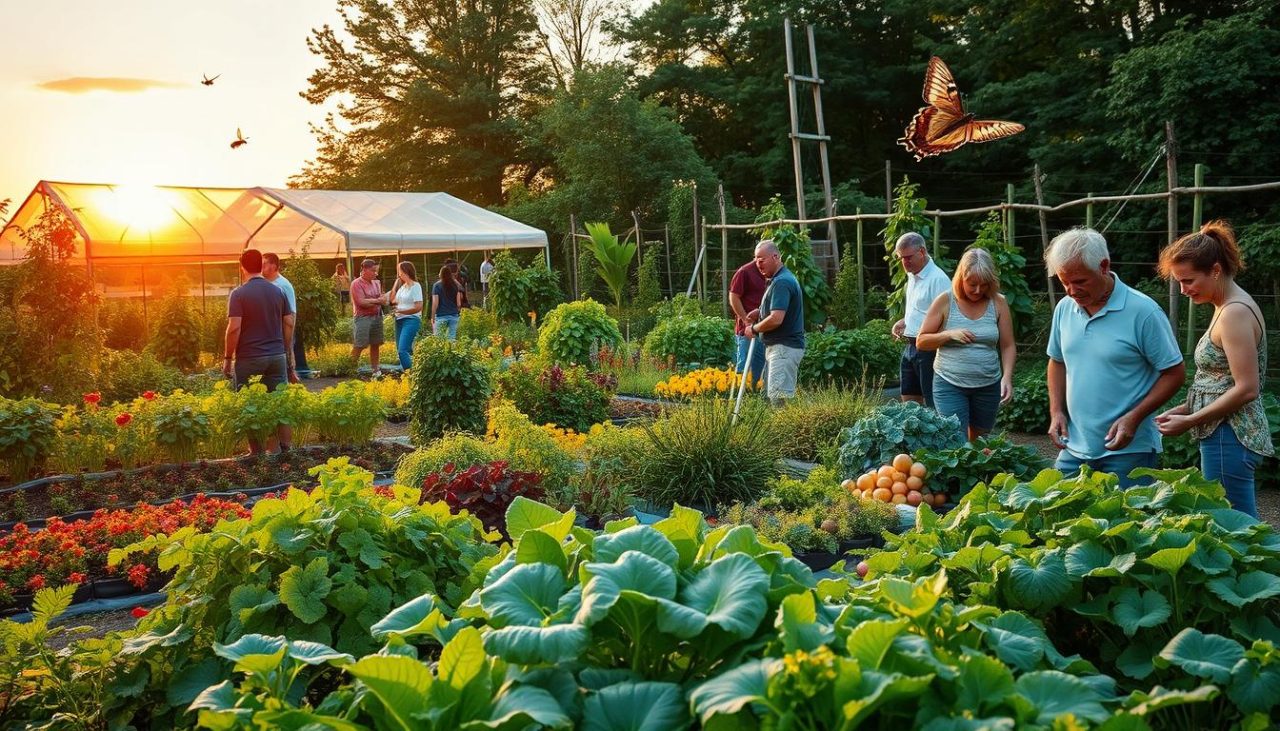
Many have shared gardens or mini-gardens and hoop houses. These spots give fresh food and build community. People learn to farm sustainably and enjoy their harvest and investments.

Shared Resource Management

Cooperatives are great at sharing resources and exchanges. They have systems for preserving water, reducing waste, and managing energy. This teamwork makes the overall infrastructure more efficient and cuts down on waste.

“Our cooperative’s shared resource system has cut our utility costs by 40% while bringing neighbors closer together,” says a member of a thriving Green Housing Cooperative in Seattle.

Green Housing Cooperatives are at the forefront of green and smart city growth. They mix green living with community efforts. This creates strong, livable places for tomorrow.

Environmental Manufacturing and Production Cooperatives

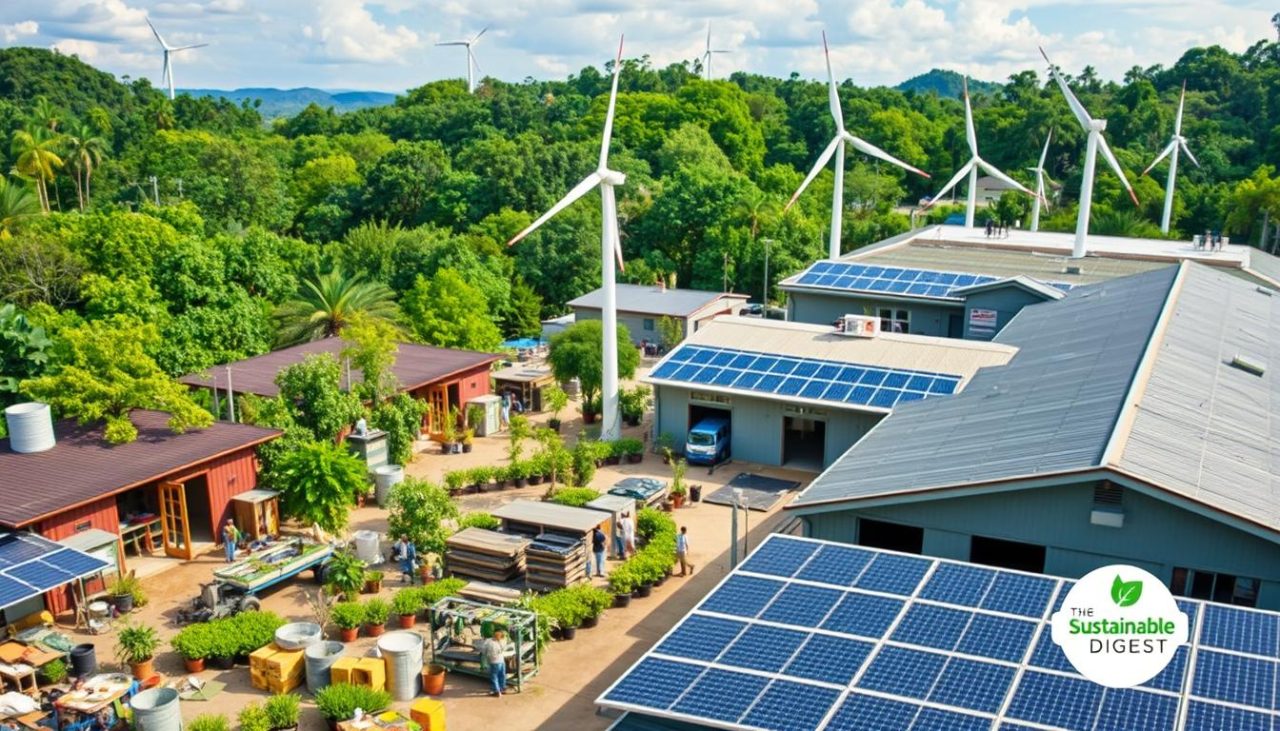
Eco-friendly manufacturing cooperatives are changing the game in industrial production. They mix sustainable practices with a worker-owned model. This approach aims to cut waste, save resources, and make eco-friendly products.

Worker-owners in these cooperatives care about making money, productivity, and protecting the environment. This setup leads to new ways of production and output. For instance, many use closed-loop systems, where waste is converted into new inputs.

“Our cooperative model allows us to prioritize long-term sustainability over short-term gains. We’re not just employees; we’re stewards of our environment and our community.”

These cooperatives focus on making sustainable and/or eco-friendly versions of common products. They produce everything from biodegradable packaging to solar-powered gadgets. They’re leading the charge of green innovation and sustainable development.

Cooperative TypeKey Focus AreasEnvironmental Impact
Recycling CooperativesWaste reduction, Material recoveryLandfill diversion, Resource conservation
Green Tech CooperativesRenewable energy products, Energy-efficient devicesCarbon footprint reduction, Energy savings
Eco-textile CooperativesOrganic fabrics, Sustainable dyeing processesWater conservation, Chemical pollution reduction

The success of Eco-Friendly Manufacturing Cooperatives shows that generating capital and saving the planet can work together. As people become more eco-aware, these cooperatives are ready to lead in sustainable production and development.

Climate Action and Resilience Cooperative Networks

Climate Action Cooperatives and Community Resilience Cooperatives collaborate together for sustainability projects from human rights to conservation to fight climate change. They create robust systems for getting ready for disasters, adapting to climate change, and responding to emergencies.

Disaster Preparedness Programs

Climate Action Cooperatives make detailed plans for disaster readiness. They do risk checks, plan evacuations, and store important items. Owner-members learn first aid and emergency steps, so they can act fast during disasters.

Climate Adaptation Strategies

Community Resilience Cooperatives work on short-term and long-term climate solutions. They start habitat preservation and green projects like urban forests and rain gardens to fight flooding and heat. They also support farming and permaculture-facing agendas that’s good for the planet, to keep food safe in changing climates.

Community Emergency Response

When disasters hit, Climate Action Cooperatives act quickly. They work with local groups, manage shelters, and share resources. Their community focus means they respond fast and effectively, meeting local needs.

Cooperative TypeFocus AreaKey Activities
Climate Action CooperativesDisaster PreparednessRisk assessment, evacuation planning, emergency training
Community Resilience CooperativesClimate AdaptationGreen infrastructure, sustainable agriculture, resource management
BothEmergency ResponseShelter management, resource distribution, community coordination

“Our cooperative network turns climate challenges into opportunities for community growth and resilience,” says Emma Chen, leader of the Bay Area Climate Action Cooperative.

Together, these networks make communities stronger and more ready to face climate challenges.

ESG Integration in Cooperative Business Models

Cooperatives are at the forefront of sustainability and economic development. They leverage Environmental, Social, and Governance (ESG) principles into their daily work. This approach helps them measure and enhance their positive impact.

Environmental Impact Measurement

Cooperative enterprise organization use advanced tools to measure their environmental impact. They track energy use, waste, water, and carbon emissions. Life cycle assessments and life cycle cost analysis both help them understand the full effect of their activities.

Social Responsibility Programs

Cooperatives focus on social responsibility through community efforts and engagement. They promote fair labor, diversity, international relations, and local economic growth. Some even offer education and training to empower members and encourage sustainable practices.

Governance Best Practices

Cooperatives are known for their transparent, scalable, and democratic governance. They ensure all owner-members have a say in decisions. Regular audits for checks and balances with open communication build trust and accountability.

“Cooperatives are not just businesses; they’re catalysts for positive change in sustainability and climate action.”

By embracing both CSR and ESG, cooperatives are raising the bar for sustainable business. Their structure allows them to succeed economically while protecting the environment and advancing society. This makes them key players in the battle against climate change/pollution/environmental impact and social inequality.

Conclusion

Cooperatives are a key factor in making our world more sustainable and resilient. They range from customer/producer/worker-owned groups to renewable energy projects. These efforts are crucial for a greener future for the next generations.

Cooperatives continue to tackle imposing global issues in unique ways. They focus on sustainable farming, green homes, and eco-friendly manufacturing. Their goal is to protect our planet and support communities.

In a world facing many challenges in labor, economic, politics, law, and education to name a few; cooperatives offer hope in something very attainable. They use democratic rules, share resources, foster innovation, and engage communities. By adopting these cooperative models, we can create a better world for all and for future generations to come.

Key Takeaways

  • Cooperatives play a crucial role in promoting sustainability, green production, and ESG practices
  • Member-owned structures enable democratic economics for decision-making in environmental initiatives
  • Various types of cooperatives address different aspects of labor, ecology, climate change and resiliency
  • Cooperatives combine economic success with ecological responsibility through social impact
  • Cooperative organizations as internal operations offer innovative solutions to global environmental challenges

Exploring Sustainability’s Impact on the Environment

The world faces epic environmental challenges, but sustainability offers hope. It helps us live in harmony with nature. Sustainability means we can meet our needs today without harming tomorrow’s people.

This approach changes how we live, from civics to energy to resources. It’s a big deal for our planet.

Sustainability is key to saving our environment and its ecosystem. It helps reduce harm from human actions. By using green solutions, we can protect our planet for everyone’s future.

Understanding the Foundations of Environmental Sustainability

In today’s world, environmental sustainability is key to solving big problems. It’s about using natural resources wisely and keeping our planet healthy for now and later. This ensures a bright future for all of us.

Defining Sustainability in Modern Context

Sustainability means we can live today without harming tomorrow. It’s about seeing the world and its inhabitants holistically. It connects our environment, society, and economy, asking us to think long-term and balance everything.

Key Components of Environmental Conservation

Environmental conservation is at the core of sustainability. It includes:

  • Resource Conservation: Using resources like water and energy smartly, recycling, and managing them well.
  • Pollution Reduction: Cutting down on harmful substances and emissions to keep our air, water, and soil clean.
  • Habitat Preservation: Saving and fixing natural places to protect life and keep our world healthy.

Historical Evolution of Sustainable Practices

The journey of sustainability started in the 1960s and 1970s. We discuss previously about how pre-sustainable measures or proto-sustainability from the 19th on back to pre-history may have developed. Back then, from post WWII to the global gasoline crisis, people began to take notice how our actions affect the planet. Since then, we’ve learned more about caring for our environment, like environmental stewardship, resource conservation, and climate change mitigation.

Now, sustainability is a worldwide effort. Governments, NGOs, public institutions, companies, non-profit organizations, and people are working together. They’re finding new ways to tackle the global environmental challenges we face.

Impact of Sustainability on Environmental Conservation

Once again, sustainability is key to our planet’s future. It helps us protect the environment through conservation as mentioned, wildlife habitat preservation, and more. This is crucial for our planet’s health and society.

Sustainability helps protect wildlife homes. It does this by using land wisely and in many ways, both renewable energy. This keeps animals and plants safe, helping them survive.

Sustainable InitiativeEnvironmental Impact
Wetland restorationProvides critical habitat for migratory birds and aquatic life
Urban green spacesSupports urban wildlife and enhances biodiversity
Zero-deforestation policiesPreserves vital rainforest ecosystems and carbon sinks

Also, eco-friendly initiatives help the environment a lot. They include clean energy, green transport, and recycling. These actions cut down pollution and help our planet.

“Sustainability is not about doing less harm, but about doing more good.”

In short, sustainability is very important for our planet. It helps us protect wildlife and the environment. Together, we can make a better future for all.

Global Ecosystem Changes Through Sustainable Practices

The world is now more aware of the need to protect our environment. Sustainable practices have made major and influential changes in our ecosystems. From the ocean depths to vast lands, we see the good work of preserving wildlife and biodiversity.

Marine Ecosystem Preservation

Good fishing, coastal care, and marine parks have helped our oceans. These steps have given marine life a safe place. Coral reefs, once in danger, are now recovering thanks to the citizens, collective community organizations, and institutions that care for the environment.

Terrestrial Habitat Protection

On land, we’ve used smart forestry and protected areas to save numerous of species’ homes. By stopping deforestation and planting more trees, we’ve kept vital habitats safe. This has helped many plants and animals in biosphere thrive again.

Biodiversity Conservation Efforts

These changes prioritize the preservation of biodiversity. Programs that mix science, economics, community work, and global teamwork have shown significant results. They’ve helped bring back threatened species and fixed food chains, keeping our planet’s life rich and diverse.

Ecosystem ChangeSustainable PracticesNotable Outcomes
Marine Ecosystem PreservationSustainable fishing, coastal management, marine protected areasRecovery of coral reefs, revived marine species populations
Terrestrial Habitat ProtectionSustainable forestry, expansion of protected wildlife sanctuariesPreservation of diverse ecosystems, resurgence of endangered species
Biodiversity Conservation EffortsScientific research, community engagement, international collaborationReintroduction of threatened species, restoration of food webs

Sustainable practices have brought enormous improvements to our ecosystems. By focusing on wildlife, environment care, and saving biodiversity, we’ve seen our planet’s strength. As we keep using these methods, our planet’s future looks bright.

Renewable Energy’s Role in Environmental Protection

The world is facing some of its biggest challenges with climate change. Clean, green, and renewable energy are key to solving this problem. It offers an environmental-friendly thus more sustainable future.

Renewable energy sources like solar, wind, hydroelectric, and geothermal are eco-friendly. They have a much lower carbon footprint than the finite fossil fuels. Switching to these sources helps reduce greenhouse gas emissions and protects the environment.

Using renewable energy has substantial benefits for the environment. Solar panels use the sun’s energy without harming the air. Wind turbines and hydroelectric power plants also help without harming the ecosystem.

Renewable Energy SourceCarbon Footprint Reduction PotentialEnvironmental Benefits
SolarHighReduces greenhouse gas emissions, preserves natural habitats
WindHighGenerates clean energy without disrupting the ecosystem
HydroelectricModerateUtilizes a renewable resource while minimizing environmental impact
GeothermalHighTaps into the Earth’s natural heat without depleting resources

As renewable energy gets better and more available, we can protect the environment more. By using these clean energy sources, we can all help. This way, we can make the planet safer for the future.

“Renewable energy is not only a solution to climate change but also a pathway to a more sustainable and equitable future.”

Carbon Footprint Reduction Strategies and Environmental Benefits

The world is working hard to fight climate change. Reducing carbon footprints is key. In many areas, new ways to lessen harm to the environment are being tried. These efforts aim to make our future more sustainable.

Industrial Emission Control Methods

In the industrial world, cutting down carbon footprints is a big deal. New methods to control emissions are being used. These include using less energy, renewable energy, and systems to capture and store carbon.

By using these methods, industries can reduce their emissions monumentally. This helps make the industrial world cleaner and greener.

Transportation Sector Solutions

The transportation sector is an enormous source of carbon emissions. But, there are many new, green solutions. Electric cars, hybrid vehicles, and encouraging people to use public transport are becoming more common.

These changes not only cut down on carbon emissions. They also make the air cleaner and cities nicer places to live.

Residential Carbon Reduction Techniques

  • Upgrading homes with energy-saving features like solar panels and better insulation can lower emissions.
  • Living more sustainably, like recycling and choosing green energy, also makes a big difference.
  • Choosing eco-friendly ways to get around, like electric cars or public transport, helps too.

By using these strategies in homes, industries, and transport, we can make a very big difference. These efforts help fight climate change and make our future greener and more sustainable.

Resource Management and Conservation Techniques

Managing and conserving resources is key to environmental sustainability. We can do this by using water wisely and switching to renewable energy. These actions help us make a positive impact and lessen our ecological footprint.

Sustainable Water Management

Water is very important and limited. We must save it. We can do this by using less water, recycling it, and using smart irrigation. These steps help keep water clean for us and nature.

Renewable Energy Integration

Switching to renewable energy is vital for sustainability. Options like solar, wind, geothermal, and hydroelectric power reduce our carbon footprint. Choosing these clean energies helps protect our environment.

Land Use and Habitat Preservation

Managing land well is crucial for keeping habitats and biodiversity alive. This means using sustainable farming, planning cities with green spaces, and protecting special areas. These actions help our land stay healthy and strong.

Sustainable TechniqueEnvironmental ImpactKey Benefits
Water-efficient technologiesReduced water consumption and wastewater generationConserve freshwater resources, minimize environmental pollution
Renewable energy integrationDecreased greenhouse gas emissions and fossil fuel dependencyMitigate climate change, promote clean energy transition
Sustainable land managementHabitat preservation and biodiversity conservationMaintain healthy ecosystems, support wildlife and natural resources

By focusing on resource conservation, sustainable practices, and environmental stewardship, we can protect our planet for future generations. This approach ensures the balance of our world preserves natural order.

Sustainable Urban Development and Environmental Impact

Cities are now focusing on being more both smart and eco-friendly. This means planning and designing cities in ways that protect nature. The main areas of focus are green buildings, smart city planning, and saving wildlife habitats.

Green Building Practices

Green building is key to sustainable cities. It uses materials that are good for the planet, saves energy, and uses renewable energy. This helps cities cut down on pollution and makes living healthier for everyone.

Smart City Planning

Smart city planning is changing how cities are developed, built, and run. It uses technology and data to make cities more efficient. This improves how people move around and makes cities better for the environment and people.

Urban Wildlife Conservation

Keeping wildlife in cities is also important. Cities are adding green spaces and forests to support different species. This makes cities better for both people and animals, helping to preserve nature.

Together, these efforts are making cities better for the planet. By adopting sustainable practices, cities are becoming greener and more livable. This helps protect our planet for the future.

Economic Benefits of Environmental Stewardship

Environmental stewardship is good for the planet and the economy. It creates jobs in green fields like renewable energy and waste management. This boosts innovation and economic growth.

Protecting the environment can also help countries compete globally. Those who lead in green technologies and practices get ahead. This opens up new job chances for people of all skills and backgrounds.

Economic BenefitDescription
Job CreationThe shift towards sustainable practices has led to the creation of millions of new jobs in industries like renewable energy, green construction, and waste management.
Innovation and CompetitivenessCountries that invest in environmental stewardship often gain a competitive advantage in the global market, as they become leaders in sustainable technologies and practices.
Cost SavingsImplementing energy-efficient measures and reducing waste can lead to significant cost savings for businesses and households, improving overall economic resilience.

By embracing environmental stewardship, people from all walks of life can find new job chances and save money. They also get to enjoy the global benefits of living sustainably.

“Sustainable development is not only about the environment, it’s also about economic development and social development. It’s a holistic approach to ensuring a better quality of life for everyone, now and in the future.”

Social Implications of Sustainable Environmental Practices

Choosing green living and caring for the environment affects many people and networks. It reaches across social classes. As more communities join in, education helps change how we understand the world.

Community Engagement in Conservation

Local efforts lead the way in making a difference. People from all walks of life are cleaning beaches, growing gardens, and protecting wildlife. This teamwork breaks down barriers, bringing together people from different social classes and networks.

Educational Initiatives

  • Schools now teach environmental stewardship to prepare the next generation. They learn how to live sustainably.
  • Public campaigns and workshops teach everyone how to live greener. They help people from all backgrounds make a change.
  • Training programs help professionals in various fields. They learn how to apply green living in their work.

Cultural Shifts in Environmental Awareness

A big change is happening as we focus more on sustainability. People from all social classes and networks are valuing nature more. They want to protect it.

This change shows in how we shop, support green projects, and care for the planet. It’s a move towards better environmental stewardship.

“Sustainable development is the pathway to the future we want for all. It offers a framework to generate economic growth, achieve social justice, exercise environmental stewardship and strengthen governance.”

– Ban Ki-moon, Former United Nations Secretary-General

Conclusion

The impact of sustainability on the environment is huge. We’ve looked at the basics of environmental sustainability. We’ve seen how conservation and sustainable practices have evolved over time.

By adopting sustainable actions, we can make big changes in our ecosystem. This includes protecting marine life, preserving habitats, and saving biodiversity.

Renewable energy is key to protecting the environment. Reducing carbon footprints in different areas is also crucial. Techniques for managing resources and conserving them show our dedication to the planet.

Sustainable urban development shows we can grow and protect the environment at the same time. This balance is important for our future.

Looking ahead, the benefits of environmental sustainability are clear. It’s not just about saving the planet. It also brings economic and social gains to our communities.

Our future looks bright if we keep working on sustainability. By adopting green practices and raising awareness, we can build a better world for all.

Key Takeaways

  • Sustainability is the practice of meeting present needs without compromising the ability of future generations to meet their own.
  • Sustainable practices have a profound impact on environmental conservation, habitat preservation, mitigating the negative consequences of human activity.
  • Adopting eco-friendly initiatives and innovative solutions can help preserve the delicate balance of our environment.
  • Sustainability is a holistic approach that addresses various aspects of environmental challenges, from energy generation to resource management to human engagement in the environment.
  • The growing importance of sustainability underscores the collective responsibility of safeguarding the planet for generations to come.
This website is saving energy by dimming the light when the browser is not in use. Resume browsing
Click anywhere to resume browsing
Verified by MonsterInsights